
- by admin
- Posted on August 20, 2026
- in Blog
Every day, organizations face a growing number of threats—from phishing emails and ransomware to sophisticated AI-powered attacks. As businesses become increasingly digital, cybersecurity is no longer optional; it is essential for protecting operations, customer trust, and business continuity.
Cybersecurity has become one of the most critical priorities for governments, businesses, and individuals. As organizations increasingly rely on cloud computing, mobile devices, artificial intelligence (AI), and digital services, cyber threats continue to grow in sophistication.
This article explains why cybersecurity matters, the major threat areas, essential protection measures, emerging cyber threats, and the best practices that help organizations build a secure and resilient digital environment.
Why Cybersecurity Matters
Organizations process vast amounts of sensitive information every day, including customer records, financial data, healthcare information, intellectual property, and government documents. A successful cyberattack can interrupt operations, expose confidential information, damage an organization’s reputation, and result in significant financial losses
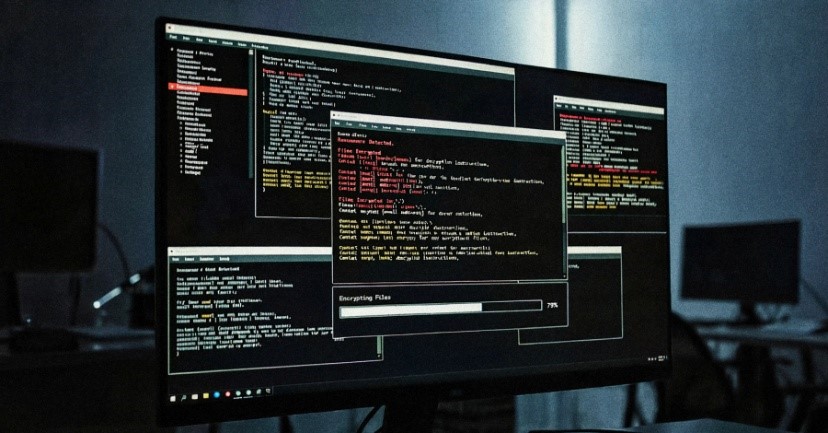
An effective cybersecurity program protects:
- Confidentiality of sensitive information.
- Integrity of systems and data.
- Availability of services and business operations.
Strong cybersecurity also supports regulatory compliance, business continuity, and public trust.
Cybersecurity Across the Digital Environment
Cybersecurity must protect every part of an organization’s digital ecosystem.
Mobile Device Security
Smartphones and tablets provide convenient access to business resources, but they are common targets for cybercriminals.
Importance
Compromised mobile devices can expose emails, confidential documents, authentication credentials, and business applications.
Best Practices
- Keep operating systems and applications updated.
- Download apps only from trusted sources.
- Enable Multi-Factor Authentication (MFA).
- Avoid unsecured public Wi-Fi networks.
- Report lost or stolen devices immediately.
Social Media and Online Platform Security
Social media, messaging applications, cloud storage, and collaboration platforms improve communication but also create cybersecurity risks.
Importance
Attackers use online platforms to conduct phishing, distribute malware, steal identities, and collect information for social engineering attacks.
Best Practices
- Verify suspicious links before clicking.
- Avoid downloading unknown files.
- Protect personal and organizational data.
- Configure strong privacy settings.
Server and Network Security
Servers host websites, applications, databases, and critical business systems.
Importance
Compromised servers can lead to service outages, ransomware attacks, and large-scale data breaches.
Best Practices
- Use firewalls and network segmentation.
- Encrypt sensitive information.
- Perform regular software updates.
- Continuously monitor network activity.
- Maintain secure backups and disaster recovery plans.
Password and Identity Protection
Compromised credentials remain one of the leading causes of cybersecurity incidents.
A single stolen password can provide attackers with unauthorized access to multiple business systems.
Always Remember
- Never share your password.
- Never share your user ID.
- Never disclose One-Time Passwords (OTP).
- Never approve unexpected Multi-Factor Authentication (MFA) requests.
- Never share authentication or verification codes.
Best Practices
- Use strong and unique passwords.
- Enable Multi-Factor Authentication (MFA).
- Change compromised passwords immediately.
- Protect account recovery information.
- Report suspicious login activity promptly.
Strong identity protection is one of the most effective ways to prevent cyberattacks.
PC Hardening: Securing Endpoints Against Cyber Threats
Desktop computers and laptops are the primary devices employees use to access organizational systems. Because they connect directly to business networks and store sensitive information, they are frequent targets for cyberattacks.
Why PC Hardening Matters
PC hardening is the process of securely configuring computers to reduce vulnerabilities before attackers can exploit them. A hardened computer is better protected against malware, ransomware, unauthorized access, and data theft.
PC Hardening Best Practices
Organizations and users should:
- Keep Windows, macOS, and Linux systems fully updated.
- Enable automatic security updates.
- Install antivirus or Endpoint Detection and Response (EDR) software.
- Enable the host firewall.

- Remove unnecessary software and services.
- Disable unused applications and network ports.
- Use standard user accounts for daily work.
- Restrict administrator privileges.
- Enable full-disk encryption (such as BitLocker or FileVault).
- Lock computers when unattended.
- Configure automatic screen locking.
- Disable AutoRun for removable media.
- Restrict unauthorized USB storage devices.
- Install software only from approved sources.
- Perform regular vulnerability assessments.
- Back up important files regularly.
User Responsibilities
Every employee contributes to endpoint security by:
- Never installing unauthorized software.
- Never disabling antivirus or security controls.
- Reporting unusual computer behavior immediately.
- Avoiding suspicious email attachments and downloads.
- Following organizational cybersecurity policies.
PC hardening significantly reduces the attack surface and forms one of the strongest layers of defense in any cybersecurity program.
Cybersecurity Governance
Technology alone cannot protect an organization. Effective governance establishes policies, responsibilities, and security controls that manage cyber risks.
Why Governance Matters
Effective governance ensures that cybersecurity practices are consistently implemented across the organization while supporting regulatory compliance and business resilience.
Key Governance Practices
- Apply the Principle of Least Privilege.
- Review user accounts regularly.
- Remove inactive accounts immediately.
- Encrypt sensitive information.
- Monitor systems continuously.
- Conduct vulnerability assessments.
- Maintain secure backups.
- Test disaster recovery procedures.
- Provide ongoing cybersecurity awareness training.
Emerging Cyber Threats in 2026
Cyber threats continue to evolve alongside new technologies
Large-Scale Service Disruptions
Cyberattacks have disrupted online services used by millions of users, demonstrating the importance of protecting critical digital infrastructure.
Government System / Cyber Breaches
Attackers continue to exploit stolen credentials to gain unauthorized access to sensitive government and financial information.
AI-Assisted Cyberattacks
Artificial intelligence is increasingly used to automate phishing campaigns, identify vulnerabilities, generate convincing social engineering attacks, and accelerate cyber espionage activities.
Supply Chain Attacks
Weaknesses in third-party software and service providers can expose multiple organizations through a single compromise.
Ransomware
Healthcare, education, government, financial institutions, and critical infrastructure remain major targets for ransomware attacks that disrupt operations and expose sensitive information.
Core Cybersecurity Defense Strategies
No single security solution can stop every cyberattack.
Organizations should implement multiple layers of defense, including:
- Firewalls
- Endpoint Detection and Response (EDR)
- Antivirus and anti-malware software
- Multi-Factor Authentication (MFA)
- Encryption
- Security monitoring (SIEM)
- Vulnerability management
- Secure backups
- Patch management
- Incident response planning
- Security awareness training
A defense-in-depth strategy significantly improves an organization’s overall security posture.
Building a Cybersecurity Culture
Technology is only one part of cybersecurity. People are just as important.
Employees should:
- Think before clicking unknown links.
- Verify requests for confidential information.
- Protect passwords and authentication credentials.
- Lock computers and mobile devices when unattended.
- Report suspicious emails or unusual system behavior immediately.
- Follow organizational cybersecurity policies.
- Participate in regular cybersecurity awareness training.
A strong cybersecurity culture helps prevent many attacks before they occur.
The Future of Cybersecurity
Artificial intelligence is transforming both cyberattacks and cyber defense strategies.
Attackers are using AI to automate phishing, malware development, and reconnaissance. At the same time, security teams are using AI-powered tools to detect threats, automate incident response, identify abnormal behavior, and strengthen security operations.
The future of cybersecurity will rely on collaboration between intelligent security technologies and skilled cybersecurity professionals. Human expertise remains essential for risk management, strategic decision-making, and responding to complex cyber incidents.
Conclusion
Cybersecurity is essential for protecting people, devices, systems, and digital services in an increasingly connected world. The strongest organizations combine secure technologies, hardened endpoints, effective governance, strong identity protection, continuous monitoring, and well-trained users to reduce cyber risks.
A successful cybersecurity program is built on five key pillars:
- Technology – Secure systems using modern security solutions.
- People – Train users to recognize and respond to cyber threats.
- Processes – Implement clear governance, policies, and incident response procedures.
- Identity Protection – Protect passwords, user accounts, and authentication methods.
- Continuous Improvement – Monitor emerging threats, patch vulnerabilities, and strengthen defenses regularly.
Cybersecurity is not a one-time project but an ongoing commitment. By following security best practices and fostering a culture of awareness, organizations can protect their information, maintain public trust, ensure business continuity, and remain resilient against evolving cyber threats.